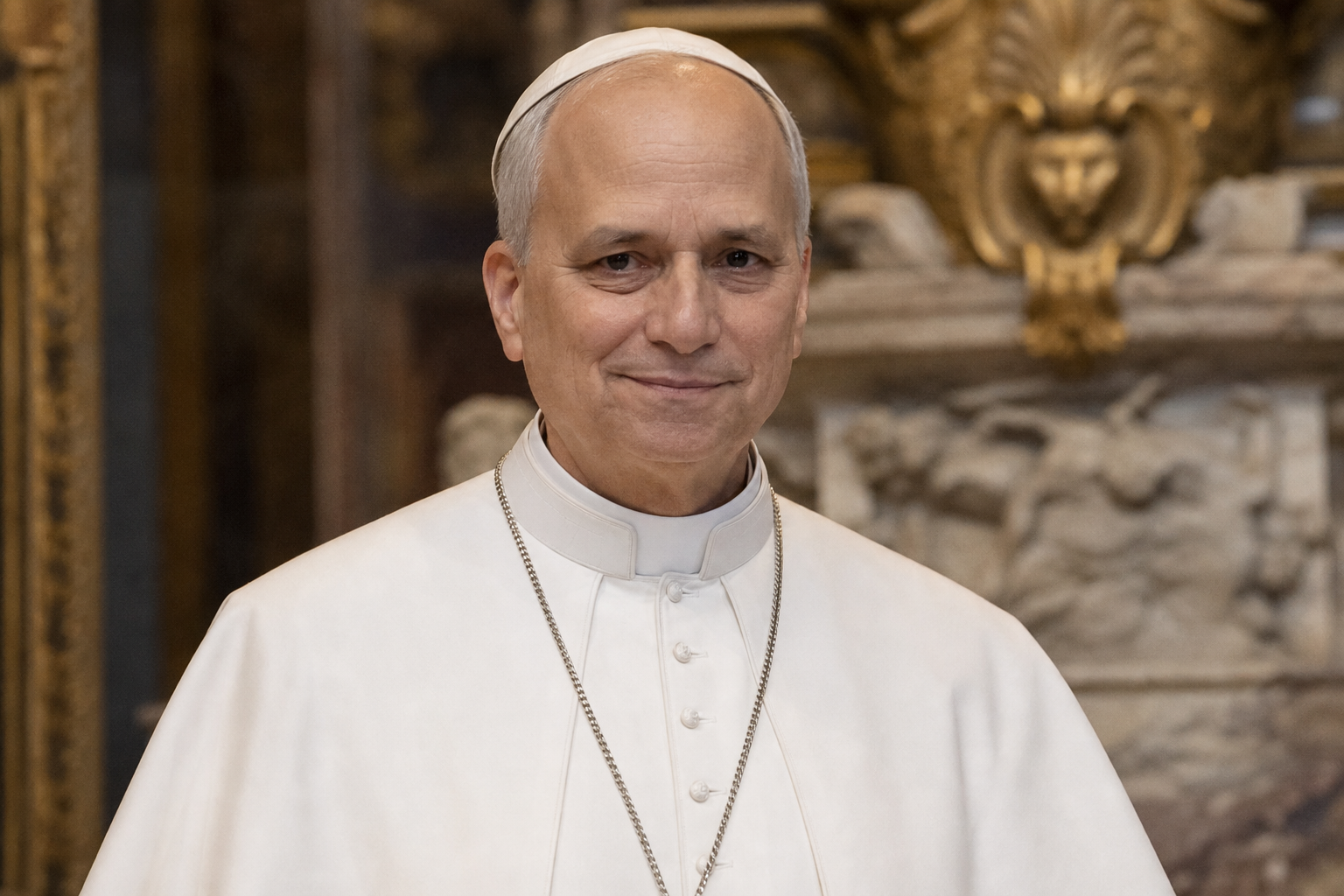
The Catholic Church’s most direct intervention yet in Europe’s debate over artificial intelligence will reach Brussels on 14 October, when the Commission of the Bishops’ Conferences of the European Union presents Pope Leo XIV’s first encyclical, Magnifica humanitas, at the Chapel for Europe. The evening event, scheduled from 19:00 to 21:00 CET, will put Holy See representatives, an MEP involved in the European Parliament’s AI work, data-protection officials and technology figures in the same room. Its purpose is not to legislate.
But COMECE is plainly offering the encyclical as a moral test for the policies that will govern generative AI, work and public life across the bloc. The document, signed on 15 May and presented at the Vatican ten days later, is subtitled “on safeguarding the human person in the time of Artificial Intelligence”. Its timing and setting give it an unusually practical target: Brussels, where arguments over innovation, market power, rights and workplace change are translated into rules.
COMECE says the presentation will examine the encyclical’s relevance to the future of Europe and the European project, including its implications for EU policymaking. The body, which represents the EU’s Catholic bishops’ conferences, has invited policymakers, institutional representatives, civil-society groups, other stakeholders, journalists and the public. In-person places are already fully booked, while online registration remains open.
“Artificial intelligence needs to be disarmed,” Pope Leo XIV said at the Vatican presentation of Magnifica Humanitas.
The phrase is the encyclical’s sharpest political image. The Pope argued that AI should be freed from the logics that make it an instrument of domination, exclusion and death, and put instead at the service of all and of the common good. He drew an explicit comparison with nuclear energy: powerful technology, in this account, cannot be treated as morally neutral merely because it is useful.
A social question remade by machines
Leo signed the encyclical on the 135th anniversary of Rerum Novarum, Pope Leo XIII’s 1891 intervention on the social consequences of industrial capitalism. The link is deliberate. Where the earlier text confronted factories, wages and the upheaval of industrial work, Magnifica humanitas turns to systems that can allocate jobs, shape information, automate decisions and concentrate technological power.
That does not make the Vatican a legislator in the EU. An encyclical is a teaching document, not a binding European legal instrument. Its force lies elsewhere: it supplies a vocabulary of dignity, social justice and the common good that can challenge the assumptions behind technical regulation.
The Brussels programme reflects that ambition. Its keynote speaker will be Archbishop Paul Tighe, secretary of the Holy See’s Dicastery for Culture and Education, who is due to address AI’s implications for the Church, culture and human dignity. Tighe has already taken the Vatican’s argument to international AI discussions, including a Holy See event at the AI for Good Global Summit in Geneva in July.
The panel will include Michael McNamara, the co-chair of the European Parliament’s AI Working Group; Anna A. MacMillan of the Domus Communis Foundation; and Enrico Rubboli, founder and chief executive of Mintlayer. Leonardo Cervera-Navas, secretary-general of the European Data Protection Supervisor, will moderate.
That lineup captures the tension the Church wants Europe to confront. AI policy is often framed as a contest over competitiveness, safeguards and speed. The encyclical presses a prior question: who gains power when systems are deployed at scale, and who bears the cost when human judgment or secure employment is displaced?
Brussels as a forum, not a pulpit
COMECE has placed the event inside its autumn plenary assembly, running from 14 to 16 October under the title “Magnifica humanitas: Europe, Human Dignity and the Common Good”. The bishops’ meeting is intended to consider the document’s contribution to Europe’s future, while the public presentation opens that argument to the officials and experts who work around the EU institutions. A Mass for Europe will follow on 15 October at Notre-Dame des Victoires au Sablon, presided over by COMECE president Bishop Mariano Crociata.
The juxtaposition is revealing: a religious observance alongside a policy-facing discussion in the EU quarter. Europe’s institutions remain secular, and the meeting will not settle the competing interests surrounding automation or generative AI. Nor has COMECE announced a specific legislative amendment it seeks.
Yet the gathering signals a more assertive Vatican posture. Rather than commenting from a distance on an already-formed technological order, the Church is entering the Brussels conversation while its terms are still being contested. For policymakers, the challenge is less whether to adopt a Vatican programme than whether the language of efficiency and risk management is sufficient.
Magnifica humanitas argues that it is not. In Brussels next week, the Church will ask Europe to measure artificial intelligence not only by what it can do, but by the kind of society it leaves behind.